Madagascar Reptile Importer Since 2009

Uroplatus Leaf-Tailed Gecko Care Guide

Uroplatus Leaf-Tailed Gecko Care Guide

Uroplatus Leaf-Tailed Gecko Care Guide

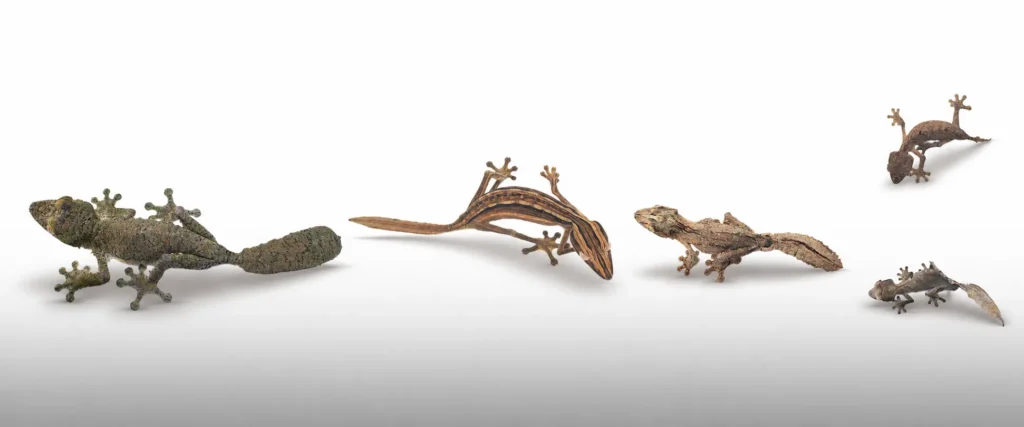
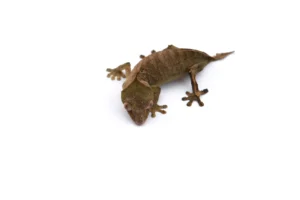
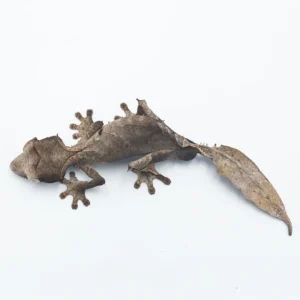
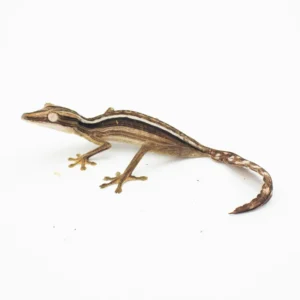
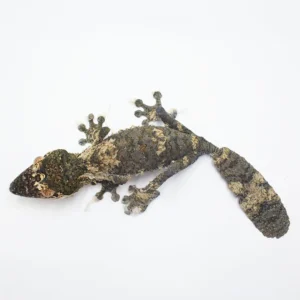
Uroplatus geckos varieties

This Uroplatus care guide provides practical information for keeping leaf-tailed geckos healthy in captivity, including enclosure setup, temperature, humidity, feeding, supplementation and species-specific considerations.

Uroplatus, commonly known as leaf-tailed geckos, are a remarkable group of nocturnal geckos native to Madagascar. Their extraordinary camouflage, flattened bodies and leaf- or bark-like appearance make them some of the most distinctive geckos in the world.

Although species within the genus share many characteristics, their husbandry requirements are not identical. Size, temperature preferences, humidity, enclosure dimensions and other requirements can vary considerably between species.

This guide provides a practical introduction to keeping Uroplatus, with additional species-specific information for some of the species most commonly kept in captivity.


Uroplatus – Quick Summary

Origin

Madagascar

Care Level

Intermediate to Advanced

Adult Enclosure

Varies by species

Housing

Species-specific

Day Temperature

Species-specific • generally cool

Night Temperature

Nighttime drop recommended

Humidity

High humidity with good ventilation 40–50% day · 80–100% night

Lighting

Consistent day/night cycle

Enclosure & Habitat

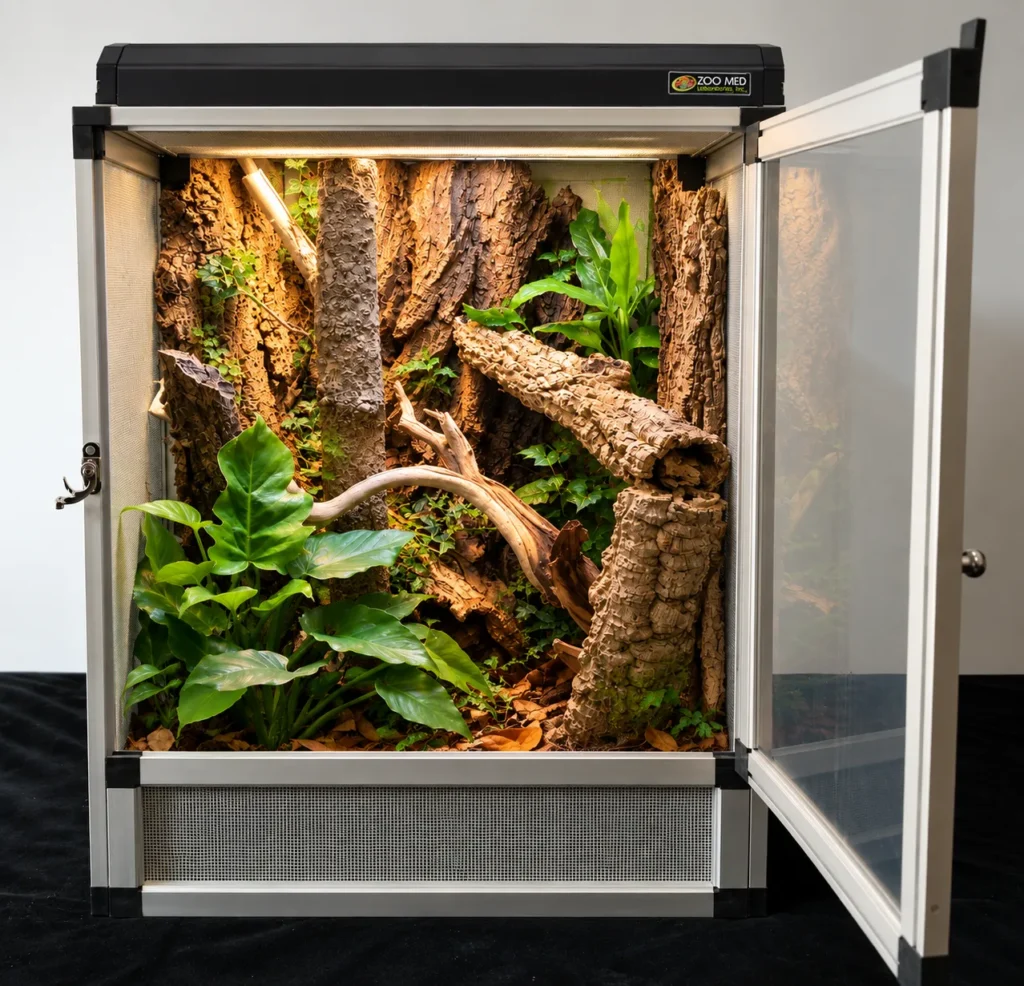
Uroplatus are arboreal geckos and should be provided with vertically oriented enclosures that allow them to climb and use different levels of the habitat. Choose enclosure dimensions based on the species, as the size difference between smaller species such as U. ebenaui and U. phantasticus and larger species such as U. fimbriatus can be considerable.

The enclosure should include plenty of branches, cork bark and other vertical and diagonal climbing surfaces. Live plants can provide additional cover and help create a naturalistic environment. Good ventilation is important, especially when maintaining the humid conditions these geckos require.

Rather than using one enclosure size for every Uroplatus, we recommend choosing an enclosure by species. Specific examples and recommended dimensions are provided in the species section below.


Uroplatus cage

Temperature

Temperature is one of the most important considerations when keeping Uroplatus. These geckos generally do best under relatively cool conditions, but the preferred temperature range varies between species.

A natural temperature difference between day and night should be provided. The enclosure should also offer some temperature variation so the gecko can choose a comfortable area rather than being exposed to a uniform temperature throughout.

Take particular care to avoid excessive heat. Always monitor enclosure temperatures with reliable thermometers, and adjust the environment to suit the species being kept.

Because temperature requirements differ among Uroplatus, the species section below provides specific ranges for individual species.

Heating Your Leaf-Tailed Gecko Enclosure

A heat lamp is generally the preferred way to provide daytime warmth for Uroplatus. Low-wattage white or clear incandescent and halogen bulbs work well, as they provide a localized heat source that can help create a natural temperature gradient.

Ceramic heat emitters and deep heat projectors are less ideal for this application, while coloured heating bulbs should be avoided.

Creating a Temperature Gradient

When setting up your enclosure, position the heat lamp to create a warmer area that matches the upper end of the recommended daytime temperature range for the species being kept, unless a different basking temperature is specifically recommended.

This allows the gecko to move between warmer and cooler areas and regulate its body temperature naturally.

Because temperature requirements vary between Uroplatus species, always refer to the species-specific recommendations provided earlier in this guide.

Important: Avoid Overheating

Leaf-tailed geckos can be particularly sensitive to excessive heat.

Provide a dedicated basking area only if the enclosure is large enough to maintain a safe temperature gradient without raising the overall temperature beyond the species’ recommended range.

In smaller enclosures, adding a basking lamp may increase temperatures throughout the entire habitat, leaving the gecko without a sufficiently cool area to retreat to.

The priority should always be maintaining safe environmental temperatures rather than creating a basking spot simply for the sake of having one.


Humidity & Hydration

Uroplatus require a humid environment, but humidity should be combined with good ventilation rather than keeping the enclosure constantly wet or stagnant.

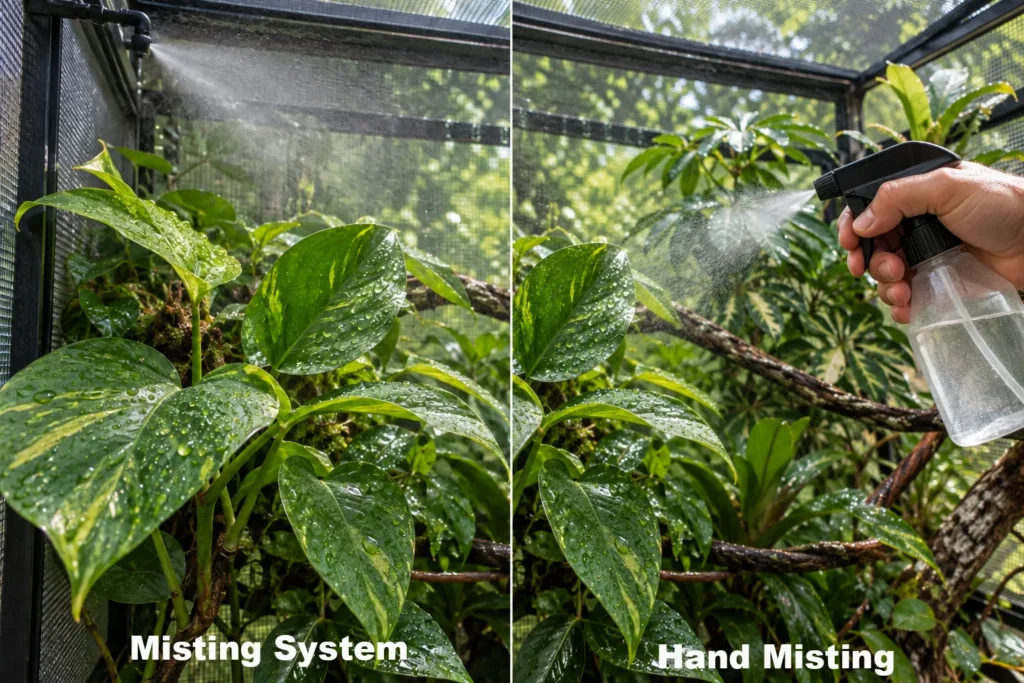
Regular misting provides moisture and creates water droplets on leaves, branches, and other surfaces that geckos can drink from. Let the enclosure go through a natural cycle rather than keeping it continuously saturated.

Live plants can help maintain humidity while also providing cover and additional surfaces for drinking and climbing. Good airflow remains important, especially in heavily planted enclosures.

Humidity requirements and misting routines may vary by species, enclosure, ventilation, and surrounding room conditions, so observe both the animals and the enclosure regularly.


Hydration & Drinking Water

Leaf-tailed geckos commonly obtain drinking water by licking droplets from leaves, branches and enclosure walls following misting.

However, many will also drink from a small water container when one is available.

A practical option is to install a magnetic feeding ledge on the side of the enclosure and place a small, shallow water cup on it.

For proper hygiene:

  • Replace the drinking water daily.

  • Clean and disinfect the water container at least once per week.

  • Continue regular misting to provide additional drinking opportunities and maintain appropriate humidity.

Misting and access to fresh drinking water give your gecko multiple opportunities to stay hydrated.


Lighting

Lighting & UVB for Leaf-Tailed Geckos

Establishing a Natural Day/Night Cycle

In their native Madagascar, leaf-tailed geckos experience seasonal changes in daylight year-round. Around Antananarivo, daylight lasts about 13 hours in summer and 11 hours in winter.

Replicating this seasonal variation in captivity helps maintain natural biological rhythms, including hormonal and seasonal cycles. A consistent lighting schedule can also support normal activity, feeding behaviour and overall well-being.

The simplest way to manage your enclosure lighting is with a programmable digital timer or smart power strip. These devices allow you to automate your lighting schedule and gradually adjust the photoperiod throughout the year.

As a general guideline:

  • Summer: Approximately 13 hours of daylight.
  • Winter: Approximately 11 hours of daylight.
  • Spring and fall: Gradually transition between the two.

Maintaining a predictable day/night cycle is more important than reproducing Madagascar’s sunrise and sunset times to the exact minute.

UVB Lighting

Although Uroplatus are primarily active during twilight and nighttime, they may spend daylight hours resting on exposed branches, trunks and other surfaces. This can provide opportunities for natural exposure to low levels of sunlight.

For this reason, providing appropriate UVB lighting is strongly recommended in a well-designed leaf-tailed gecko enclosure.

Leaf-tailed geckos are generally associated with Ferguson Zone 1, meaning they require relatively low UVB levels compared with reptiles that regularly bask in direct sunlight.

A recommended target at the basking or UVB exposure branch is:

UVI: 1.0–2.0

A Solarmeter 6.5 UV Index Meter is recommended for measuring UVB exposure accurately rather than relying exclusively on bulb specifications or estimated distances.

Choosing the Right UVB Lamp

The appropriate UVB lamp depends largely on the distance between the fixture and the gecko’s nearest accessible exposure point.
The following distances provide general starting points when using common linear UVB systems:

UVB LampApproximate Distance
Arcadia T5 SO ShadeDweller Arboreal 2.4%3–4 in / 7–10 cm
Arcadia T5 SO ShadeDweller Max 2.5%6–9 in / 15–23 cm
Arcadia T5 SO ShadeDweller 7%8–12 in / 20–30 cm
Arcadia T5 HO Forest 6%14–20 in / 35–50 cm
Zoo Med T5 HO ReptiSun 5.014–20 in / 35–50 cm

Ideally, the UVB fixture should extend across approximately 50–100% of the enclosure’s length, while the habitat provides shaded retreats and areas of lower UV exposure.

Important: These distances are estimates based on lamps installed above the enclosure’s mesh screen, assuming approximately 30% UVB reduction from the mesh and the use of suitable fixtures, such as Arcadia ProT5 or Vivarium Electronics. Actual UVB output can vary according to the fixture, reflector, mesh density, bulb age and installation. Always verify the final UVI with an appropriate meter whenever possible.

UVB Requirements May Differ Between Species

Not all leaf-tailed geckos occupy identical microhabitats in the wild.

Bark-mimicking species, including members of the fimbriatus, lineatus groups, may naturally experience greater UVB exposure than smaller leaf-mimicking species belonging to the ebenaui group.

These differences are worth considering when planning the lighting arrangement and available exposure areas within an enclosure.

General Enclosure Lighting

Leaf-tailed geckos have eyes adapted to relatively low-light environments, so extremely bright lighting is unnecessary for establishing their natural day/night cycle.

In a relatively simple enclosure, the UVB fixture may provide sufficient general illumination.

However, if you are creating a naturalistic or bioactive habitat with live plants, additional lighting will usually be necessary to support healthy plant growth.

A full-spectrum LED grow light with a colour temperature of approximately 6500K is a suitable option for maintaining tropical plants.

Common examples include:

  • Arcadia JungleDawn LED Bar
  • Bio Dude Glow & Grow

For effective plant coverage, an LED grow light should ideally extend across the full length of the enclosure.

Live plants offer several benefits beyond appearance. They provide additional cover, climbing opportunities and surfaces for water droplets, while also helping maintain humidity within the habitat.

Regardless of the lighting arrangement, ensure your Uroplatus always has access to shaded areas where it can retreat from direct illumination.

Remember: The goal is to reproduce a natural forest environment with a predictable day/night cycle, appropriate low-level UVB exposure and enough variation in lighting for the gecko to choose its preferred resting location.


Feeding & Supplementation

What Do Leaf-Tailed Geckos Eat?

All Uroplatus are insectivorous, meaning their diet consists primarily of live invertebrate prey. Do not offer meat, fruits, vegetables, or other plant-based foods as substitutes for an appropriate insect diet, as they do not meet these geckos’ nutritional needs.

Providing a varied selection of appropriately sized feeder insects helps support good nutrition while encouraging natural hunting behaviour.

Feeding Frequency

Adjust feeding schedules based on the gecko’s age, body condition, and individual needs.

  • Juveniles: Feed daily to support healthy growth and development.

  • Adults: Feed every other day as a starting point, offering about as much as the animal will consume overnight.

Some adult geckos may do better with smaller daily feedings and one fasting day per week. The most important consideration is maintaining a healthy, stable body weight rather than following a rigid schedule.

We recommend weighing your gecko weekly to monitor growth and identify unexpected weight changes.

Feeder insects should generally be slightly smaller than the gecko’s head. Offer food in the evening, preferably after misting the enclosure, to prevent water from washing calcium or vitamin supplements off the insects.

Recommended Feeder Insects

A varied diet can include:

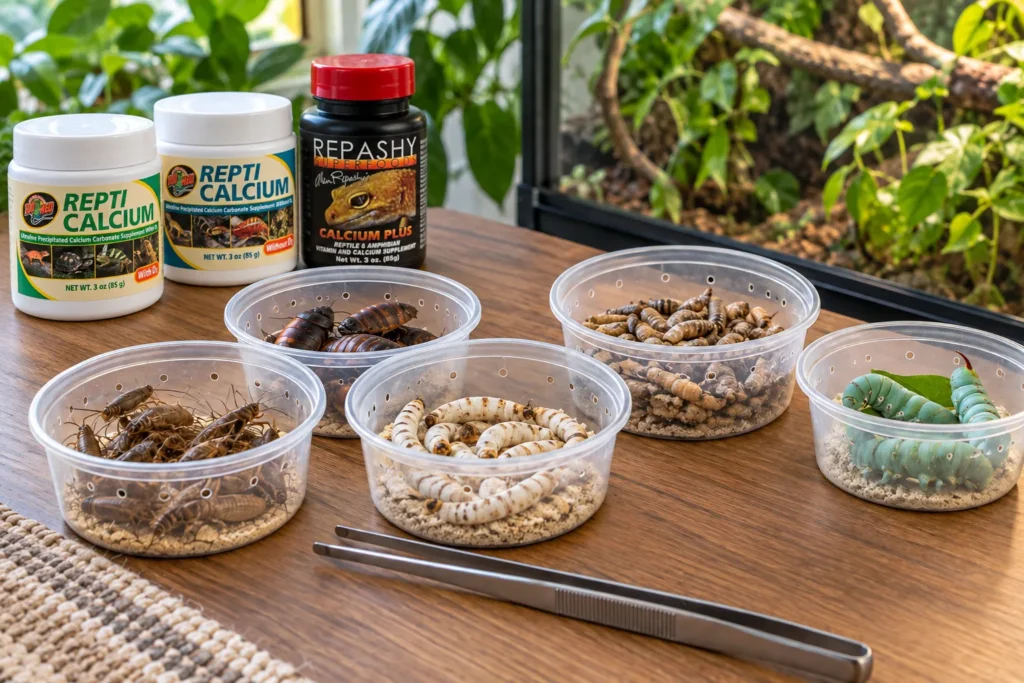
  • Crickets

  • Darkling beetles

  • Grasshoppers and locusts

  • Appropriately sized snails

  • Dubia roaches

  • Discoid roaches

  • Red runner roaches (use caution, as escaped insects may establish infestations)

  • Captive-raised hornworms (never offer wild-collected hornworms)

  • Silkworms

  • Wax moths

Crickets, roaches and snails are among the more commonly accepted food items for leaf-tailed geckos.

Uroplatus are visual hunters, and movement plays an important role in stimulating their feeding response. Insects that can climb branches and other enclosure surfaces are particularly useful for encouraging natural hunting behaviour.

Snails are an exception to this preference and are also consumed by leaf-tailed geckos in the wild.

Don’t be surprised if your gecko refuses certain feeder insects, particularly worms. Individual animals may develop strong food preferences, so experimenting with different suitable prey items can help establish a varied feeding routine.

Encouraging Natural Hunting Behaviour

Whenever practical, allow your gecko to hunt within its enclosure rather than relying exclusively on feeding dishes.

Leaf-tailed geckos often launch themselves from branches or leaves when capturing prey. Hard feeding dishes can potentially cause injuries during these movements.

If a feeding dish is necessary, consider lining its base with a soft sponge to reduce the risk of injury.

Avoid leaving excessive numbers of uneaten feeder insects inside the enclosure.

Gut-Loading Feeder Insects

All feeder insects should be properly gut-loaded for approximately 2–3 days before being offered to your gecko.

Gut-loading involves feeding insects a specially formulated, nutrient-rich diet shortly before they are used as reptile food. This improves their nutritional value and helps ensure that your gecko receives more than the nutrients naturally present in the feeder itself.

Gut-loading is different from routine insect maintenance feeding, which focuses on keeping feeder colonies healthy and productive over time.

Commercial gut-loading diets include:

  • Repashy Superload

  • Mazuri Better Bug Gut Loading Diet

  • Arcadia EarthPro InsectFuel

Feeder insects should also have access to an appropriate source of hydration. Commercial insect hydration gels or water crystals can be useful for this purpose.

Although fresh vegetables are sometimes used to feed insects, vegetable scraps alone may not provide the complete nutritional profile of a properly formulated gut-loading diet.

Calcium & Vitamin Supplementation

Appropriate supplementation is an important part of maintaining healthy leaf-tailed geckos.

As a general starting point, feeder insects can be lightly dusted with calcium powder at every other feeding. However, supplementation should be adjusted according to the species, age, reproductive condition and UVB lighting provided.

Avoid excessive supplementation. Monitor the animal’s body condition, including any unusual deposits beneath the jaw or accumulation of fat around the lower abdomen near the hind legs.

Choosing Calcium Supplements

The type of calcium supplement should take your enclosure’s UVB lighting into account.

For geckos receiving appropriate UVB exposure:

A calcium supplement containing little or no vitamin D3 is generally preferred.

Example: Repashy Calcium Plus LoD.

For geckos maintained without UVB:

A calcium supplement containing vitamin D3 is necessary to help support calcium metabolism.

Example: Repashy Calcium Plus.

However, providing suitable UVB lighting remains strongly recommended as part of a complete husbandry setup.

Species-Specific Supplementation Considerations

Not all Uroplatus respond to supplementation in exactly the same way.

Uroplatus sikorae and U. phantasticus are considered particularly sensitive to excessive supplementation. Depending on their condition and calcium reserves, supplementation may be appropriate every other feeding or as infrequently as once per week.

By comparison, U. henkeli has been observed to require more frequent calcium supplementation.

These differences reinforce the importance of monitoring each animal individually rather than applying the same supplementation schedule to every species.


Species-Specific Care

Uroplatus ebenaui

Spearpoint Leaf-Tailed Gecko

One of the smaller Uroplatus species, U. ebenaui requires considerably less enclosure space than the larger leaf-tailed geckos. The BION husbandry guide recommends an enclosure of approximately 30 × 30 × 50 cm (12 × 12 × 20 inches).

Day temperature: 24–26°C (75–79°F)
Night temperature: 20–22°C (68–72°F)

Consider its smaller size when selecting branches, plants and appropriately sized feeder insects. As with other Uroplatus, the enclosure should provide climbing surfaces, cover, humidity and good ventilation.


Uroplatus phantasticus

Satanic Leaf-Tailed Gecko

Uroplatus phantasticus is another smaller member of the genus. The BION husbandry guide recommends an enclosure of approximately 30 × 30 × 50 cm (12 × 12 × 20 inches), similar to U. ebenaui.

Day temperature: 22–25°C (72–77°F)
Night temperature: 18–20°C (64–68°F)

This species should be kept under cooler conditions than some larger Uroplatus species. A well-planted enclosure with branches, cover, appropriate humidity and good ventilation provides the environment this small, highly camouflaged gecko needs.


Uroplatus lineatus

Lined Leaf-Tailed Gecko

Uroplatus lineatus leaf-tailed gecko

Uroplatus lineatus is a larger, highly arboreal leaf-tailed gecko. For this guide, we recommend an enclosure about 50 × 50 × 100 cm (20 × 20 × 39 inches) or larger, with plenty of vertical space for climbing and movement.

Day temperature: 25–26°C (77–79°F)
Night temperature: 20–22°C (68–72°F)

The enclosure should provide plenty of vertical branches, foliage and climbing surfaces. U. lineatus benefits from a tall, well-ventilated environment with appropriate humidity and plenty of cover.


Uroplatus fimbriatus

Giant Leaf-Tailed Gecko

Uroplatus fimbriatus is one of the larger leaf-tailed geckos and requires substantially more enclosure space than smaller species such as U. ebenaui and U. phantasticus.

The BION husbandry guide recommends an enclosure of approximately 50 × 50 × 100 cm (20 × 20 × 39 inches).

Day temperature: 25–28°C (77–82°F)
Night temperature: 20–22°C (68–72°F)

Consider its larger size when selecting branches and climbing surfaces. The enclosure should provide substantial vertical space, secure climbing opportunities and plenty of cover while maintaining appropriate humidity and ventilation.


Uroplatus sikorae

Mossy Leaf-Tailed Gecko

Uroplatus sikorae is a larger leaf-tailed gecko that benefits from a spacious vertical enclosure. The BION husbandry guide recommends an enclosure of approximately 50 × 50 × 100 cm (20 × 20 × 39 inches).

Day temperature: 22–25°C (72–77°F)
Night temperature: 18–20°C (64–68°F)

The enclosure should provide substantial climbing surfaces, branches and areas of cover. Its remarkable bark-like camouflage works particularly well in a naturalistic environment with cork, branches, and live plants, while you should maintain appropriate humidity and good ventilation.


Handling & Understanding Leaf-Tailed Gecko Behaviour

Handling Recommendations

Uroplatus are best appreciated as display animals rather than pets intended for regular handling. Their delicate nature and sensitivity to stress make them particularly well suited to naturalistic enclosures where their fascinating behaviours can be observed without unnecessary disturbance.

Handling should be kept to a minimum and limited to essential situations, such as health inspections, enclosure maintenance or relocating an animal. As a general guideline, avoid handling more than once per week unless absolutely necessary.

When handling is unavoidable, remain calm, move slowly and allow the gecko to move onto your hand whenever possible. Never pull an animal from a branch or attempt to restrain it by the tail.

Understanding Leaf-Tailed Gecko Body Language

Leaf-tailed geckos are masters of camouflage, and many of their natural postures and behaviours are closely connected to their ability to blend into their surroundings.

Learning to recognize these behaviours can help keepers distinguish between normal activity, feeding responses and potential signs of stress.

Resting & Camouflage

Different groups of Uroplatus use distinctive resting positions to conceal themselves.

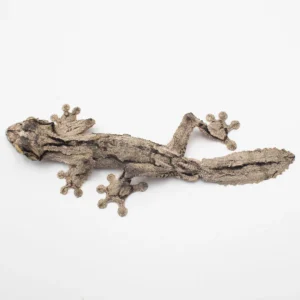
Bark-, lichen- and bamboo-mimicking species often rest with their bodies stretched flat against branches, trunks or other surfaces. This posture allows their body markings and fringed skin to blend with the surrounding textures, making their outline extremely difficult to distinguish.

Leaf-mimicking species frequently adopt curled resting positions that resemble dried leaves, small branches or irregular pieces of wood.

These natural resting behaviours are an important part of their camouflage strategy.

Normal Movement vs. Stress

Under ordinary circumstances, leaf-tailed geckos tend to move slowly and deliberately, sometimes resembling the careful movements of a chameleon.

Although they are capable of jumping, their movements are generally characterized by short hops rather than the longer leaps associated with some other arboreal geckos.

A gecko resting quietly or moving slowly is generally displaying normal, relaxed behaviour.

By comparison, an animal experiencing stress may:

  • Move rapidly or continuously.

  • Attempt to escape or jump away.

  • Open its mouth defensively.

  • Arch or stiffen its body.

  • Curl or raise its tail.

  • Produce defensive vocalizations.

If these behaviours occur during handling, return the animal to its enclosure and allow it to settle without further disturbance.

Recognizing Specific Behaviours

The Hunting Stare

When a leaf-tailed gecko notices potential prey, its appearance may change noticeably.

The eyes can appear wider as the ridges above them lift, sometimes exposing a pale or white ring around the eyes. The pupils may also dilate as the animal becomes focused on its target.

This distinctive expression is sometimes referred to by keepers as the “bug stare” and is commonly associated with heightened attention and hunting behaviour.

Tail Curling & Waving

The tail plays an important role in Uroplatus communication and defensive displays.

Some individuals raise, curl or wave their tails in response to other geckos or environmental stimuli.

Tail waving has been observed during reproductive interactions, while curling the tail may form part of a defensive posture intended to make the animal appear larger or more intimidating.

The meaning of these movements should always be considered alongside the gecko’s overall behaviour and surrounding circumstances.

Colour Changes — Firing Up & Down

Leaf-tailed geckos have a limited ability to alter the intensity and contrast of their coloration.

When an animal fires up, its colours and markings may become darker, richer or more pronounced. When it fires down, its appearance generally becomes paler or less contrasting.

These changes can be particularly noticeable in Uroplatus lineatus.

Colour variation may be associated with environmental conditions, camouflage or communication between individuals, although the precise purpose of every colour change is not fully established.

Vocalizations

Despite their generally quiet nature, leaf-tailed geckos are capable of producing several different sounds.

Recorded vocalizations include humming, barking and sharp, scream-like calls.

Some sounds may play a role in communication between individuals, while louder vocalizations can occur as part of a defensive response when an animal feels threatened.

Defensive Gaping

A threatened Uroplatus may open its mouth widely, exposing the tongue and interior of the mouth.

This behaviour, known as gaping, is a defensive display and may be accompanied by a rigid body posture, arched back or raised tail.

Gaping is a clear indication that the gecko should be given space rather than approached or handled further.

Can Leaf-Tailed Geckos Bite?

Yes. Like other geckos, Uroplatus can bite when frightened, threatened or improperly restrained.

However, their jaws are relatively weak, and bites from even the larger species are generally unlikely to break human skin.

Although serious injury is uncommon, avoiding unnecessary handling remains the best way to protect both the keeper and the gecko.

Remember: Understanding your gecko’s body language is an important part of responsible husbandry. Observing its natural behaviour, recognizing signs of discomfort and respecting its need for minimal disturbance will help create a more suitable captive environment.


Breeding

Successful breeding of Uroplatus depends heavily on keeping animals healthy under appropriate environmental conditions. Temperature, humidity, seasonal changes, nutrition and supplementation can all influence reproductive activity.

Keep females in good condition and provide adequate calcium and nutrition, especially during egg production. Provide suitable egg-laying opportunities within the enclosure.

Breeding and incubation requirements can differ between species, so do not treat them as identical across the genus. Anyone planning to breed Uroplatus should research the requirements of the particular species being maintained.


Health Warning Signs

Regular observation is key to keeping Uroplatus healthy. Getting familiar with your gecko’s normal appearance, behaviour, and feeding habits makes it easier to notice when something has changed.

Watch for persistent loss of appetite, noticeable weight loss, dehydration, abnormal shedding, unusual weakness or inactivity, difficulty climbing, swelling, injuries, or changes in normal behaviour.

Review husbandry conditions whenever you notice a problem, including temperature, humidity, ventilation, hydration, and feeding. If an animal shows persistent or serious signs of illness, consult a veterinarian experienced with reptiles.

Dehydration in Leaf-Tailed Geckos

Dehydration is one of the most frequently encountered health concerns in captive Uroplatus. Because these geckos depend on appropriate environmental humidity and regular access to drinking water, maintaining proper hydration is an essential part of their daily care.

Signs of Dehydration

Watch for the following symptoms:

  • Sunken or recessed eyes.

  • A limp or drooping tail, sometimes with curled edges.

  • Retained or incomplete shedding.

  • Dry toes that may affect the gecko’s ability to grip surfaces and climb.

  • Unusual lethargy or reduced activity.

Common Causes

Dehydration is often associated with unsuitable enclosure conditions, particularly:

  • Excessively high temperatures.

  • Humidity levels that are consistently too low.

  • Inadequate or infrequent misting.

Prevention & Treatment

If you suspect your gecko is becoming dehydrated, begin by reviewing its enclosure conditions.

Monitor humidity throughout the day rather than relying on a single reading. Check that misting produces accessible water droplets on leaves, branches and enclosure walls, allowing your gecko to drink naturally.

If necessary, adjust the misting schedule to provide more frequent drinking opportunities while maintaining appropriate ventilation.

An automatic misting system can be particularly useful for keeping hydration routines consistent when you are away from home.

Providing a small, elevated water dish is another helpful measure. A magnetic wall-mounted feeding ledge with a shallow water container allows the gecko to access drinking water whenever needed.

When to Seek Veterinary Care

Severe dehydration requires prompt veterinary attention.

If your gecko is noticeably weak, has severely sunken eyes, struggles to climb or shows other significant symptoms, consult a veterinarian experienced in reptile medicine.

A qualified reptile veterinarian can assess the animal’s condition, administer appropriate fluid therapy when necessary and recommend further treatment to support recovery.

Do not attempt to administer injectable fluids yourself.

Important: Correcting enclosure conditions is essential, but environmental adjustments alone may not be sufficient to treat an animal that is already severely dehydrated.

Metabolic Bone Disease (MBD) in Leaf-Tailed Geckos

Metabolic Bone Disease (MBD) is a serious health condition that can affect captive Uroplatus when calcium metabolism is disrupted. It is commonly associated with inadequate calcium or vitamin D3, insufficient UVB exposure, or a combination of these factors.

Without proper treatment, MBD can weaken the skeletal system, affect normal movement and lead to permanent physical deformities.

Signs of Metabolic Bone Disease

Common warning signs include:

  • A wavy, bent or unusually shaped tail.

  • A soft or weakened jaw.

  • Curved, bowed or deformed limbs.

  • Reduced appetite or refusal to eat.

  • Poor coordination or difficulty moving normally.

  • Unusual weakness or lethargy.

These symptoms should be taken seriously, particularly when several appear together.

Common Causes

MBD is most frequently associated with problems involving calcium and vitamin D3 availability, including:

  • Insufficient calcium in the diet.

  • Inadequate vitamin D3.

  • Lack of appropriate UVB exposure.

  • UVB bulbs that are no longer producing sufficient ultraviolet radiation.

Vitamin D3 plays an essential role in calcium absorption, which is why appropriate lighting and dietary supplementation are both important aspects of leaf-tailed gecko husbandry.

Prevention & Treatment

If MBD is suspected, review the enclosure’s UVB lighting and supplementation routine immediately.

Check your UVB equipment: If your gecko already has a UVB fixture, verify that the lamp is functioning correctly, remains within its recommended service life and provides an appropriate UV Index at the animal’s accessible exposure area.

UVB output gradually decreases with use, even when the bulb continues to produce visible light. Follow the manufacturer’s replacement recommendations and, whenever possible, use a UV Index meter to check actual output.

If your enclosure does not currently provide UVB, consider installing an appropriate low-level UVB system suitable for Uroplatus, as outlined in the Lighting & UVB section of this guide.

Review calcium supplementation: Animals diagnosed with MBD may require additional calcium and vitamin D3 to help restore normal calcium balance and support skeletal recovery. The appropriate supplement, dosage and treatment frequency should be determined by a reptile veterinarian rather than attempting intensive supplementation without professional guidance.

Veterinary Diagnosis

If you suspect your leaf-tailed gecko has MBD, arrange an examination with a veterinarian experienced in reptile medicine.

A veterinarian may recommend:

  • Blood testing to evaluate calcium levels and other relevant indicators.

  • X-rays to assess bone density and identify skeletal abnormalities.

  • Examination of the calcium sacs, sometimes called chalk sacs, located beneath the jaw.

  • A review of the gecko’s diet, supplementation routine and UVB lighting.

Early diagnosis and appropriate treatment can help prevent the condition from progressing and improve the animal’s chances of recovery.

Important: MBD cannot always be corrected through enclosure adjustments alone. Affected geckos may

Mites in Leaf-Tailed Geckos

Mites are small external parasites that may occasionally be observed on Uroplatus, particularly on recently imported (wild-caught) animals.

A Note About Mites on Imported Uroplatus

Some wild-caught Uroplatus may arrive carrying mites acquired in their natural habitat. These are often host-specific parasites that are not adapted to surviving or reproducing under captive conditions.

In our experience at Chameleons Canada, these mites generally disappear naturally after arrival without establishing a persistent infestation.

However, not all mite species behave the same way. Newly imported animals should still be carefully observed, and the presence of mites should never be automatically dismissed.

An important distinction: If your leaf-tailed gecko develops a mite infestation after settling into captivity, particularly when housed in a collection containing other reptile species, the parasites may have been introduced through another animal, enclosure or contaminated equipment.

In these circumstances, active treatment and proper enclosure sanitation may be necessary.

Signs of a Mite Infestation

Some geckos may show no obvious symptoms, while others may display:

  • Frequent itching or scratching.

  • Rubbing against branches or enclosure surfaces.

  • Reduced activity or unusual lethargy.

  • Tiny red or dark dots around the eyes, ears, vent, joints or beneath the dermal flaps.

  • Fine, ash-like particles on the skin, which may be mite waste.

Because Uroplatus possess elaborate skin folds and fringes, mites can be difficult to detect during a casual visual inspection.

Common Sources of Mites

Mites may be introduced through:

  • Newly acquired reptiles.

  • Contact with an infested animal or enclosure.

  • Contaminated equipment, furnishings or inadequate hygiene between enclosures.

  • Parasites already present on recently imported wild-caught animals.

Quarantine & Initial Inspection

Newly acquired geckos should be quarantined before being introduced to an established reptile collection.

A quarantine period of at least 4–6 weeks provides an opportunity to observe the animal’s behaviour, feeding response and general condition while monitoring for external parasites.

For easier inspection and cleaning, a temporary quarantine enclosure can contain:

  • Paper towel substrate.

  • PVC climbing structures.

  • Disposable egg cartons or similar temporary furnishings.

  • Appropriate hiding areas and environmental conditions.

Ideally, quarantine the gecko in a separate room from your other reptiles. Wash your hands and arms thoroughly after enclosure maintenance, and avoid sharing equipment between quarantine and established enclosures without proper disinfection.

Allow the animal approximately 2–3 weeks to settle before attempting a more detailed physical inspection, unless there is an immediate health concern.

When examining the gecko, carefully check around the eyes, ears, vent, joints and skin folds. Keep handling brief and avoid unnecessary repeated inspections.

For a stable animal, physical checks should generally be limited to once per week.

What to Do if Mites Are Found

If you discover mites, first determine whether you are dealing with a temporary parasite associated with a recent import or an active infestation that may have spread from another reptile in your collection.

Because leaf-tailed geckos are particularly sensitive to stress and chemicals, avoid applying conventional reptile mite sprays, insecticides or other parasite treatments directly to the animal without veterinary guidance.

A reptile veterinarian can identify the parasite and recommend a suitable treatment.

Cleaning an Infested Enclosure

If an active infestation is confirmed, thorough enclosure sanitation is essential to prevent mites and their eggs from remaining in the environment.

Follow these steps:

  1. Temporarily relocate the gecko to a clean, secure enclosure with appropriate temperature, humidity and ventilation.

  2. Remove and discard disposable substrate and furnishings that may harbour mites or eggs.

  3. Thoroughly clean reusable furnishings using a method appropriate for the material.

  4. Vacuum the empty enclosure carefully, paying particular attention to corners, joints, crevices and the upper frame where parasites may hide.

  5. Wash the enclosure with warm, soapy water and rinse thoroughly.

  6. Disinfect the enclosure using a reptile-safe product, following the manufacturer’s recommended dilution, contact time and rinsing instructions. Chlorhexidine-based disinfectants may be suitable for certain surfaces when used correctly.

  7. Wipe down the exterior of lighting fixtures and other nearby equipment. Disconnect electrical equipment before cleaning, and never allow water or disinfectant to enter electrical components.

  8. Vacuum and clean the surrounding area to reduce the possibility of reinfestation.

  9. Reassemble the enclosure using fresh paper towels and clean, easily removable furnishings.

  10. Return the gecko only when the enclosure is completely rinsed, dry where appropriate, free of chemical residue and restored to suitable environmental conditions.

Monitoring After Treatment

Continue observing the animal and enclosure for signs of recurring mites.

If parasites reappear, further cleaning and treatment may be required. Other reptiles in the collection should also be inspected, as an untreated source can allow the infestation to return.

Avoid excessive handling or repeated treatments if your gecko becomes stressed or stops feeding. Contact a reptile veterinarian to determine the safest way to proceed.

Persistent infestations, significant irritation, weakness or declining body condition should always receive professional veterinary attention.

Prevention Is the Best Approach

Good quarantine practices, regular enclosure maintenance and careful observation are the most effective ways to reduce the risk of mites spreading through a reptile collection.

Remember that Uroplatus are sensitive animals. Any parasite treatment should balance the need to eliminate an infestation with the importance of minimizing stress and avoiding potentially harmful chemicals.

Internal Parasites in Leaf-Tailed Geckos

Internal parasites can occur in both wild-caught (WC) and captive-bred (CB) Uroplatus. Their presence is not necessarily unusual and does not automatically indicate that an animal is unhealthy or requires treatment.

Many reptiles can carry low levels of certain intestinal parasites without displaying any apparent health problems. When maintained under appropriate environmental conditions, with proper nutrition, hydration and minimal stress, these animals may continue feeding, growing and behaving normally.

At Chameleons Canada, we believe parasite management should focus on the animal’s overall condition rather than automatically treating every gecko simply because parasites may be present.

However, parasite populations can sometimes become problematic, particularly when an animal experiences stress, unsuitable husbandry conditions or other health challenges.

The important distinction is recognizing when a normally tolerated parasite load may be contributing to an actual health concern.

Signs of a Possible Parasite Problem

Watch for the following warning signs:

  • Loose stools or persistent diarrhea.

  • Reduced appetite or refusal to eat.

  • Unusual lethargy or decreased activity.

  • Unexplained weight loss.

  • Deteriorating body condition despite apparently adequate feeding.

These symptoms are not exclusive to parasites and may also indicate other husbandry or medical issues.

When Is Treatment Necessary?

Finding parasites does not always mean immediate medication is required.

A gecko that is eating consistently, maintaining a healthy weight, producing normal stools and displaying typical behaviour may not require treatment solely because a parasite is detected.

However, if your animal begins showing persistent symptoms, veterinary assessment is recommended to determine whether intestinal parasites are contributing to the problem.

Treatment decisions should consider the parasite species, the animal’s condition, clinical symptoms and veterinary findings.

Acclimation & Stress Management

Leaf-tailed geckos can be particularly sensitive to handling, relocation and changes in their environment.

Recently acquired animals should be given adequate time to settle into their new enclosure before undergoing unnecessary handling or routine procedures.

Depending on the individual, acclimation may take approximately 1–2 months.

During this period, prioritize:

  • Appropriate temperature and humidity.

  • Consistent access to drinking water.

  • A suitable feeding routine.

  • Plenty of cover and climbing opportunities.

  • Minimal handling and disturbance.

  • Regular observation of appetite, weight and general behaviour.

If an animal develops significant symptoms during acclimation, however, do not delay veterinary attention simply to complete the settling-in period.

Diagnosis & Veterinary Treatment

If an intestinal parasite problem is suspected, collect a fresh fecal sample and arrange for examination by a veterinarian experienced with reptiles.

Ideally, submit the sample within 24 hours, following your veterinarian’s instructions for collection and storage.

A fecal examination can help identify the parasites present and determine whether further investigation or treatment is appropriate. Some infections may require additional testing or repeat samples.

If treatment is necessary, your veterinarian will prescribe medication suited to the parasite identified and the gecko’s individual condition.

Because Uroplatus are delicate and easily stressed, oral medication should be administered only according to veterinary instructions. Ask your veterinarian to demonstrate a safe administration technique rather than attempting to force the animal’s mouth open with improvised tools.

Preventing Reinfection

When treatment has been prescribed for a confirmed parasite problem, maintaining a clean enclosure is an important part of the recovery process.

After completing the prescribed treatment:

  1. Remove and replace the enclosure substrate.

  2. Thoroughly clean reusable furnishings and enclosure surfaces.

  3. Disinfect suitable accessories using reptile-safe products.

  4. Remove feces promptly to reduce environmental contamination.

  5. Follow any recommendations for repeat fecal testing to confirm treatment effectiveness.

Good hygiene, appropriate quarantine procedures and avoiding unnecessary stress can help reduce the risk of parasite-related complications.

Observe the Animal, Not Just the Test Results

The presence of intestinal parasites and the presence of parasitic disease are not necessarily the same thing.

A healthy-looking gecko may

Sexing Leaf-Tailed Geckos

Determining the sex of a Uroplatus becomes easier as the animal approaches maturity. Although some species display visible differences between males and females, identifying the sex of young geckos can be challenging.

Certain species exhibit sexual dimorphism, meaning males and females may have different physical characteristics, including variations in colour, markings or body structure.

Species-Specific Differences

Some visual characteristics can provide useful clues when identifying males and females:

Uroplatus phantasticus (Satanic Leaf-Tailed Gecko)

  • Males frequently display small notches along the edges of their tails, while females generally have smoother tail margins. However, this characteristic is not always reliable.

  • Males commonly have a white, teardrop-shaped marking behind the eyes.

  • Females are more likely to display a line in the same area or have no distinct marking.

Uroplatus lineatus (Lined Leaf-Tailed Gecko)

  • Females typically display rows of small white spots running along either side of the spine.

  • Males tend to have white markings distributed more irregularly across the body.

Uroplatus sikorae (Mossy Leaf-Tailed Gecko)

  • Males often exhibit patterns that resemble tree bark.

  • Females tend to display a more moss-like appearance.

These visual differences can be helpful, but individual variation means they should not be considered definitive methods of sex identification.

Identifying Males and Females

For most Uroplatus, the most reliable way to determine sex is to wait until the gecko is approaching its adult size and examine the area immediately behind the vent, near the base of the tail.

Male Leaf-Tailed Geckos

Mature males develop a noticeable hemipenal bulge behind the vent. This swelling is generally visible at the base of the tail and is one of the clearest physical indicators of a male.

Female Leaf-Tailed Geckos

Females do not develop the same hemipenal bulge, resulting in a comparatively smoother appearance beneath the tail.

When Can You Determine Their Sex?

Although some species may show early differences in markings or appearance, juvenile leaf-tailed geckos cannot always be sexed accurately.

Waiting until the animal approaches sexual maturity provides a more reliable assessment and reduces the likelihood of incorrectly identifying a young gecko.

Important: Avoid excessive handling or repeatedly turning your gecko over simply to determine its sex. If you are uncertain, allow the animal more time to mature or ask an experienced Uroplatus keeper or reptile veterinarian for assistance.

Shedding in Leaf-Tailed Geckos

Shedding is a completely natural process for Uroplatus. As leaf-tailed geckos grow and their bodies change, they periodically replace their outer layer of skin.

Under appropriate environmental conditions, healthy geckos generally complete this process without assistance. Shedding only becomes a concern when pieces of old skin remain attached or the animal has difficulty removing them.

Signs Your Gecko Is Preparing to Shed

Before shedding, you may notice:

  • A dull, faded or slightly greyish appearance.

  • Reduced interest in food.

  • Lower activity levels than usual.

These temporary changes are generally normal and should resolve once shedding is complete.

What Happens During Shedding?

Leaf-tailed geckos typically remove and consume their old skin during the shedding process.

This natural behaviour allows them to recover some of the nutrients contained in the shed skin. As a result, you may never actually find discarded skin inside the enclosure.

Don’t be surprised if your gecko looks dull one evening and has returned to its usual appearance by the following morning!

Supporting a Healthy Shed

Adequate humidity is particularly important during shedding.

When your gecko begins showing signs of an upcoming shed, increase enclosure humidity to approximately 80–100% until the process is complete, while maintaining suitable ventilation.

Regular misting can help soften the old skin and make it easier for the gecko to remove naturally.

In most cases, no additional intervention is necessary.

What If Your Gecko Has Stuck Shed?

Occasionally, small pieces of old skin may remain attached to the body. This is commonly referred to as retained shed or stuck shed.

If you notice retained skin:

  1. Check the enclosure’s humidity and mist as needed.

  2. Maintain appropriately elevated humidity while ensuring good ventilation.

  3. Allow approximately 24 hours for the gecko to remove the remaining skin naturally.

  4. Inspect the animal again, paying particular attention to the toes, tail and other delicate areas.

If the retained skin persists, additional humidity may help.

Using a Temporary Humidity Chamber

A temporary humidity chamber can sometimes assist a gecko experiencing difficulty shedding.

To prepare one:

  • Select a clean plastic container appropriately sized for the animal.

  • Make small ventilation holes to allow airflow.

  • Place a damp paper towel inside, using lukewarm water.

  • Carefully place the gecko inside and secure the ventilated lid.

  • Allow approximately 20–30 minutes, while monitoring the animal and ensuring it does not become overheated or distressed.

The increased humidity may help soften the remaining

 

Observe and Adjust

No care guide can account for every animal, enclosure or home environment. Use the recommendations in this guide as a starting point and observe your geckos carefully.

Monitor temperature and humidity, watch feeding behaviour and body condition, and pay attention to how the gecko uses different areas of its enclosure. These observations can help you determine whether adjustments to ventilation, misting, temperature, cover or other aspects of the setup are needed.

The goal is not simply to maintain specific numbers, but to provide a stable environment in which the animal displays normal behaviour, maintains good body condition and feeds consistently.


Share This :

JANUARY SHIPMENT UPDATE

Dear Friends,
As I mentioned over the weekend, we are ready for our next shipment. However, I have decided to move the date to April.
 
The reason: The shipment has to do a stop before coming to Canada; the place where it transfers has an embargo right now due to cold weather. So they are moving our date to mid-February. As you know, this has been a colder than usual winter for us; the temperatures for mid-February in Canada will be way below zero. So I’m not willing to take any risk. I know we are all excited and anxious, but we have to be mindful of what’s best and play it safe.
 
It will happen in April at the latest rain or shine, guaranteed. But, of course, as soon as the weather shows some mercy and we have temperatures above zero, we’ll move ahead, so we could be getting it in March if the temperatures are proper.
 
Even if we got them next week as planned, I wouldn’t be able to ship to most of you due to the low temps in your provinces.
Thank you for your support and understanding. I’m sure most of you will agree with me on my decision, and as always, it will be worth it.
 
If you have any questions or comments, please feel free to contact me on FB chat, email or over the phone.