
In the reptile world, there are often questions about chameleons and reptiles caught in their natural habitat (known as “Wild-Caught” or WC). It is very common for new keepers to wonder: “Do they have parasites? Is it safe to own one?” This is a completely valid question. At Chameleons Canada, we believe in transparency so you can feel safe and well-informed when bringing a new family member home. The Myth of the Past vs. Modern Reality
There is a long-standing myth that all Wild-Caught (WC) chameleons arrive unhealthy or full of parasites. But where does this fear come from?
Years ago, international shipping was slow and unreliable. Chameleons often spent weeks in shipping boxes without proper food or water. That extreme stress weakened their immune systems, which allowed parasites to become a serious issue.
Today, things have changed completely. Thanks to modern logistics and shipping practices, our chameleons travel with climate control and arrive at their destination in less than 24 hours. By eliminating the stress of long travel, we ensure their immune systems stay strong, allowing them to arrive at your home in top condition. What Really Happens with Parasites?
To understand this better, it helps to know that parasites are not, by nature, a deadly “disease.” In fact, almost all living creatures—including humans, dogs, and cats—carry baseline levels of internal organisms that live with us naturally.
In a chameleon, parasites are often a normal part of their internal ecosystem. They only become a problem when a chameleon is stressed, malnourished, or kept in an unclean environment. If you provide your chameleon with a proper home—including good hydration, lighting, and a balanced diet—those parasites remain at low, completely harmless levels.
Parasites are a natural part of all living organisms, including chameleons. In fact, they are an essential component of internal fauna, helping to regulate various biological functions. Problems arise only when a chameleon is subjected to stress, inadequate nutrition, or unhygienic conditions, which can trigger a parasitic overload.
Many assume captive-bred chameleons are parasite-free, but this is not always true. If a breeder does not maintain high standards of cleanliness—such as providing fresh water, promptly removing feces, and maintaining proper hygiene—parasites can still become an issue. This is particularly challenging for large-scale breeders managing extensive collections.
Regardless of whether your chameleon is wild-caught or captive-bred, there are a few signs that may indicate a parasite issue:
If you notice any of these symptoms, it’s advisable to take action and assess your chameleon’s health.
Just as you would for a cat or dog, you should perform an annual fecal test on your chameleon. This routine checkup ensures that potential parasitic issues are identified and treated before they impact your pet’s well-being.
If your chameleon shows signs like loose stools, reduced appetite, low energy, or keeping its eyes closed for most of the day, it may be time to assess its health. A fecal test can confirm the presence of parasites, but if your chameleon is active and behaving normally, this usually means its system is keeping them in balance. In such cases, treatment may not be necessary. However, if you choose to proceed, it’s best to consult a veterinarian experienced with reptiles, as proper dosage and medication selection are crucial to your pet’s well-being.
Ignorance. Not many people are familiar with the advancements in the reptile industry over the years. Some still hold onto outdated notions of poor importation practices, while others use misinformation as a sales tactic to promote their own captive-bred animals. Unfortunately, negative marketing is prevalent in the hobby, with some breeders attempting to sway customers by unfairly criticizing the competition.
Some inexperienced exporters and importers may still engage in questionable business practices. So before you give someone your business, ask about the importer and their reputation in the hobby.
When purchasing a chameleon from us, you can be confident that you will receive only the highest-quality imports. Each chameleon is carefully inspected before delivery, ensuring your new reptile is healthy and well-acclimated to thrive in captivity.
We not only provide the best reptile imports but also stand behind them. To ensure your success, we offer coaching, tips, and ongoing support. Customer satisfaction is our top priority.
By maintaining optimal husbandry and performing routine health checks, you can ensure parasites are never a concern for your chameleon. Choose quality, choose expertise—choose us for your next chameleon companion.
If you have further questions, please get in touch with us via email, Meta Messenger, or WhatsApp.
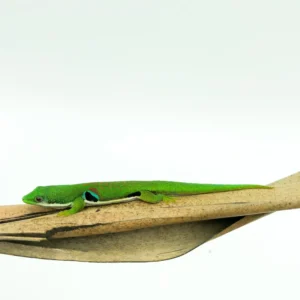
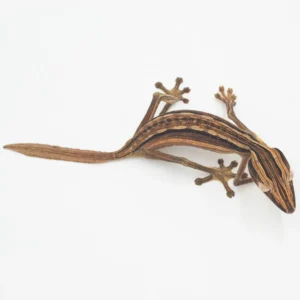
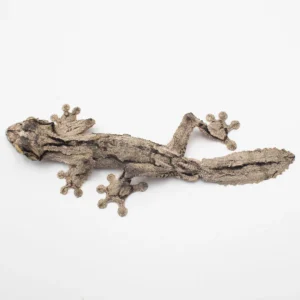
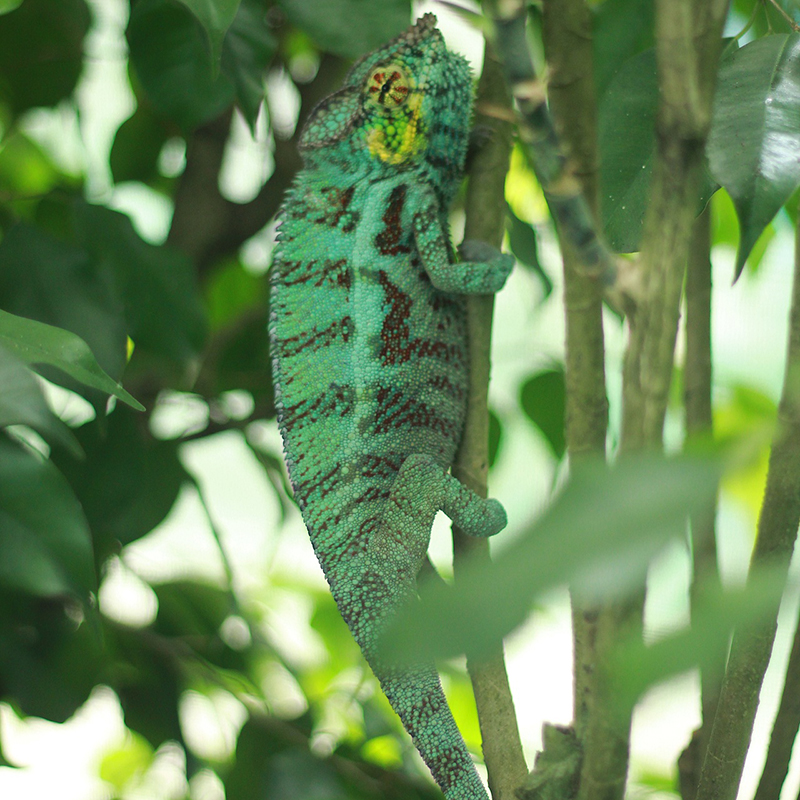
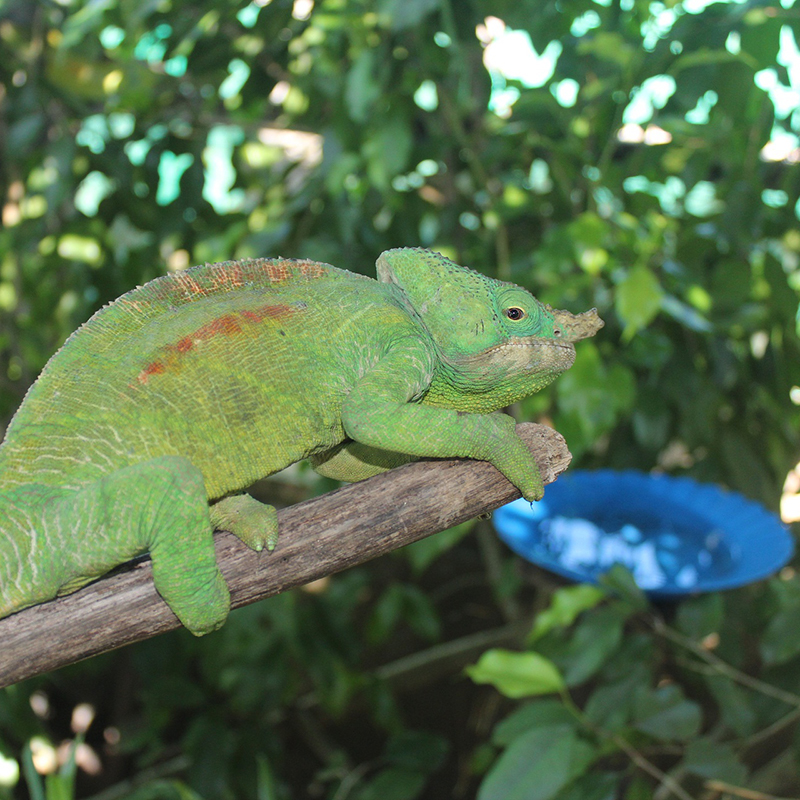
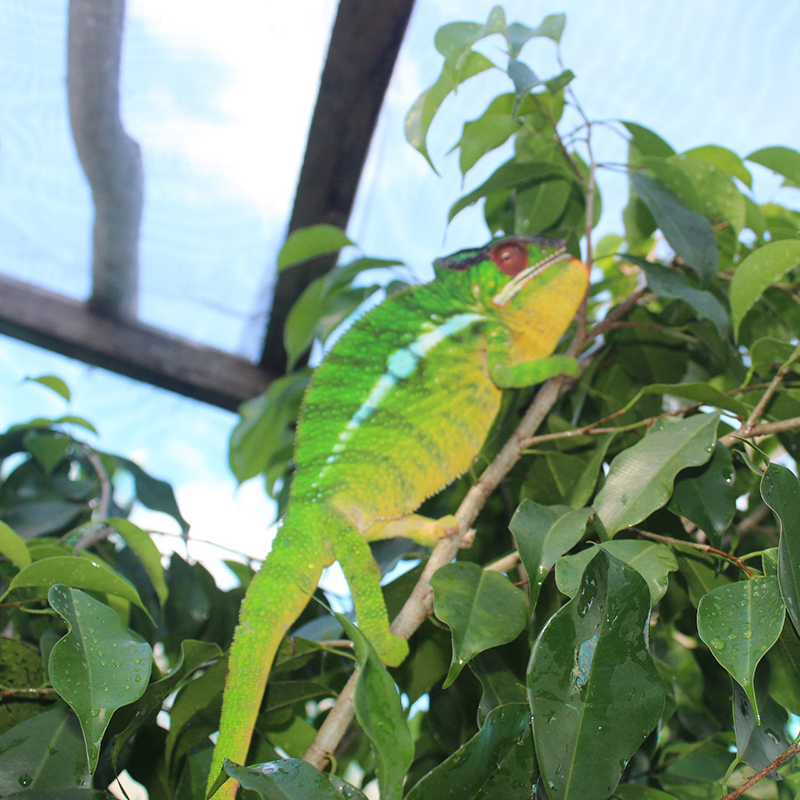
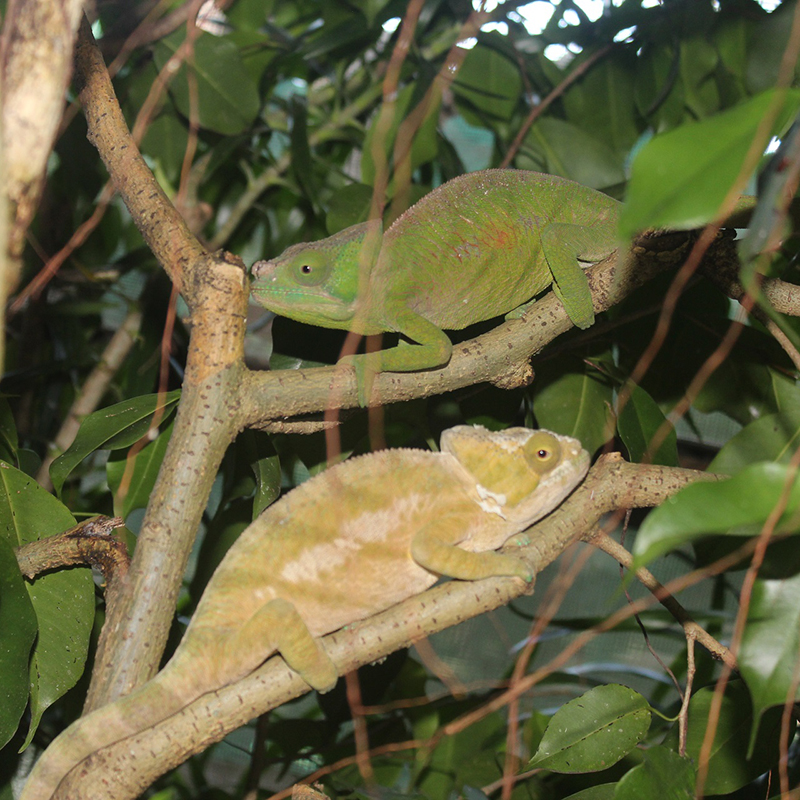
These are some examples of how our animals are kept before being shipped to us.